
If you've ever heard your Amazon Vendor Manager or Category Manager talk about your product being "CRaP'ed ," it's time to pay attention. CRaP stands for "Cannot Realize any Profit" and refers to products that are structurally unprofitable for Amazon.
In this article, we will see the causes of this problem, how to avoid it and the strategies to solve it.
What causes Amazon Vendor to classify a product like CRAP?
Unlike other marketplaces, Amazon doesn't consider the overall health of a vendor's account when making CRaP decisions. Instead, each product must be profitable on its own. Otherwise, you'll end up in the "CRaP" pile. There are several reasons why a product might be labeled as CRaP:
Price Matching
If other Amazon sellers or sellers on other external marketplaces sell your products at a lower price, Amazon will match that price, as explained in their article on Price Matching. In practice, Amazon reserves the right to match or even beat the lowest price they find online. This can happen because other sites have a promotion or volume discount offered by you or other sellers. There could also be errors in the pricing or a third-party seller clearing out the product. Whatever the reason, this can affect the Buy Box price and potentially place your product in a CRaP (Consumer Price Asset) status.
Non -competitive costs and cost prices
Amazon expects the products to be profitable from the moment they get to the platform to sell. If your costs or cost prices take Amazon Retail to have non -profitable margins, the listing as CRAP will be classified.
Small packages / low -price individual products
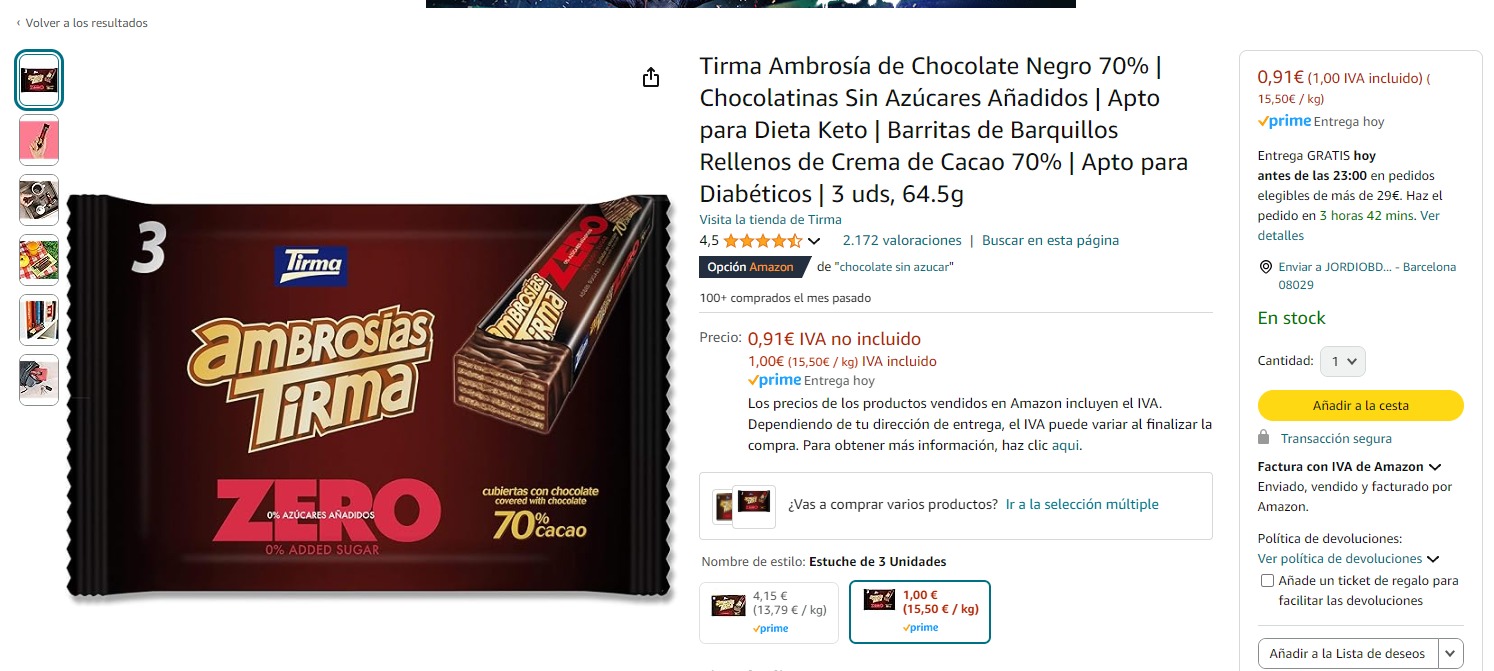
Small/individual items, such as a chocolate bar selling for less than €1, can result in high costs for Amazon, especially if the customer is a Prime member. Imagine having to ship an energy bar worth €1.50 for free. If these products don't provide significant value in the lifetime , they will likely be classified as CRaP (Customer Reselling and Promotional Items).
But it's also possible that Amazon Retail will treat those products as losses to maintain its image/status/customer standing as the best online convenience store . In that case, it's a free-for-all
Very heavy or bulky articles
Large and heavy products increase shipping costs, making it harder profitable . However, there's a solution: the Vendor's Own Carrier (VOC) program , where the manufacturer ships the product directly to the customer. It's similar to Seller Prime or Seller Fulfilled Prime, but for Amazon Retail.
Fast -expired products
Imagine that you are in the Food category and that you sell a type of product that expires in less than a month. Would you upload it to the vendor platform? What is the point of buying that product, unless you have a meteoric rotation? And, if the product enters a PO, does it make sense to serve it? Well that. Let's avoid it.
HIGH RETOLITION Ratio
It's fairly obvious, but it needs to be stated. If a product has a high return rate and/or if the cost of customer returns exceeds the allocation agreed upon with the supplier, the product is likely to be classified as CRaP (Cost, Return, and Payment).
Oversocks
When the inventory of a product is classified as Overcombe (oversock), Amazon reduces the price to reduce the inventory in its logistics centers, which negatively affects the margins and can lead to the CRAP classification.
Consequences that a product is crap
Well, we will not fool you, they are not good:
- Your products will receive less free visibility from A9
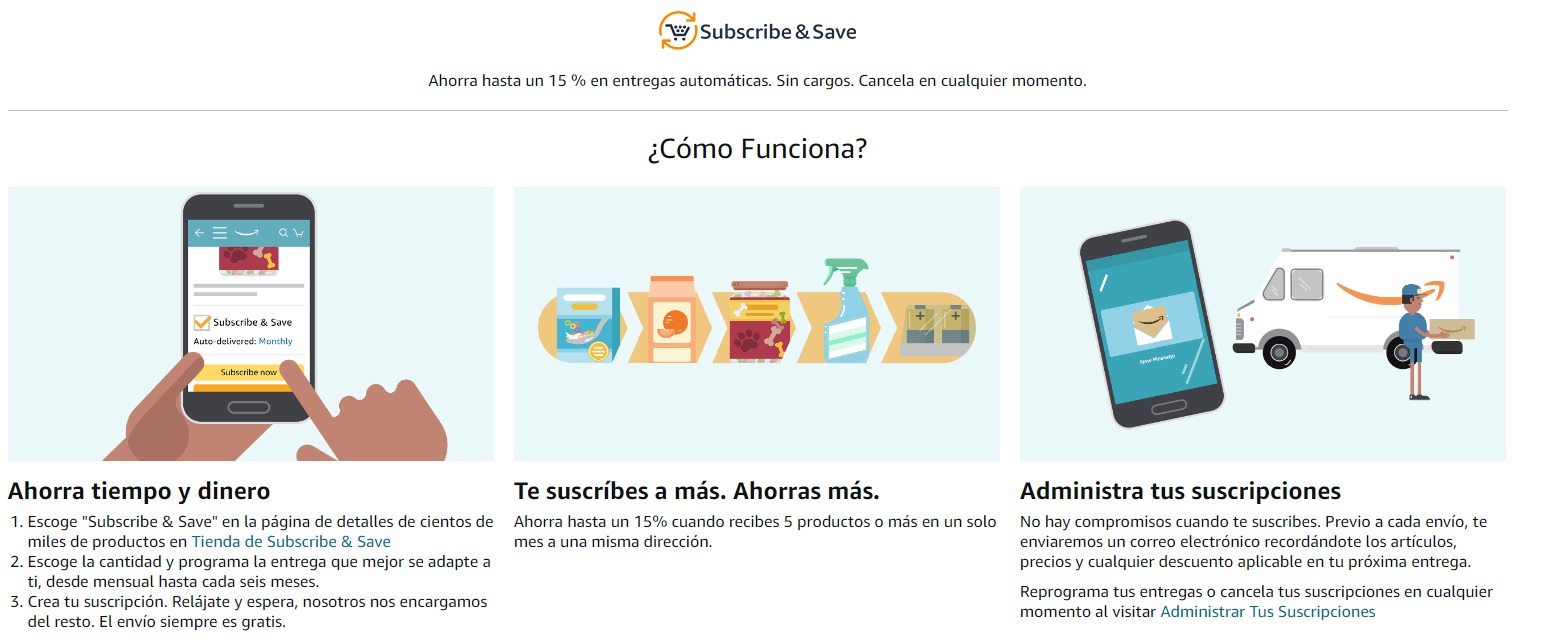
- The product will automatically leave the subscribe program and save, which means less recurrent and, bouncing orders, less purchase orders
- The product cannot be announced at Amazon Marketing Services
- Amazon Retail has Levels of Service (LoS) for each category. If you don't reach these LoS, you'll miss out on benefits like free promotion outside of Amazon through display or improved SEO rankings.
- Purchase Orders are being paused, which doesn't mean the product has to be sold on Amazon; it will simply stop being sold on Amazon Retail, but other sellers will still be able to sell it on the Marketplace.
How to prevent your products from being classified as CRAP?
It is true that for the brands affected by CRAP there are different strategies to reactivate their products on the platform, but it is more effective to take measures to prevent a product to be classified as CRAP.
The first thing is to detect whether the product is in crap or not, and that we can only do it by comparing previous Sell-in. Amazon will not let us know, we have to do it.
To avoid falling into crap, you can:
Apply MAP/SDA policies
Review your Minimum Advertised Price (MAP) policies if you sell to multiple retailers/sellers. Enforcing these policies outside the United States can be difficult or illegal, but you can explore Selective Distribution Agreements (SDAs) to maintain greater control over resale prices.
Check cost prices and terms with Amazon
Your Vendor Manager will likely request price reductions for the delisted items. While you should never grant price reductions without addressing the root cause of the problem, reaching a temporary agreement with Amazon might be helpful.
Optimize packaging
Adapt the packaging of your products by reducing the use of materials and empty space. It complies with the Amazon guidelines for shipping in your own container (SIOC) to minimize variable costs.
Improvements in the supply chain
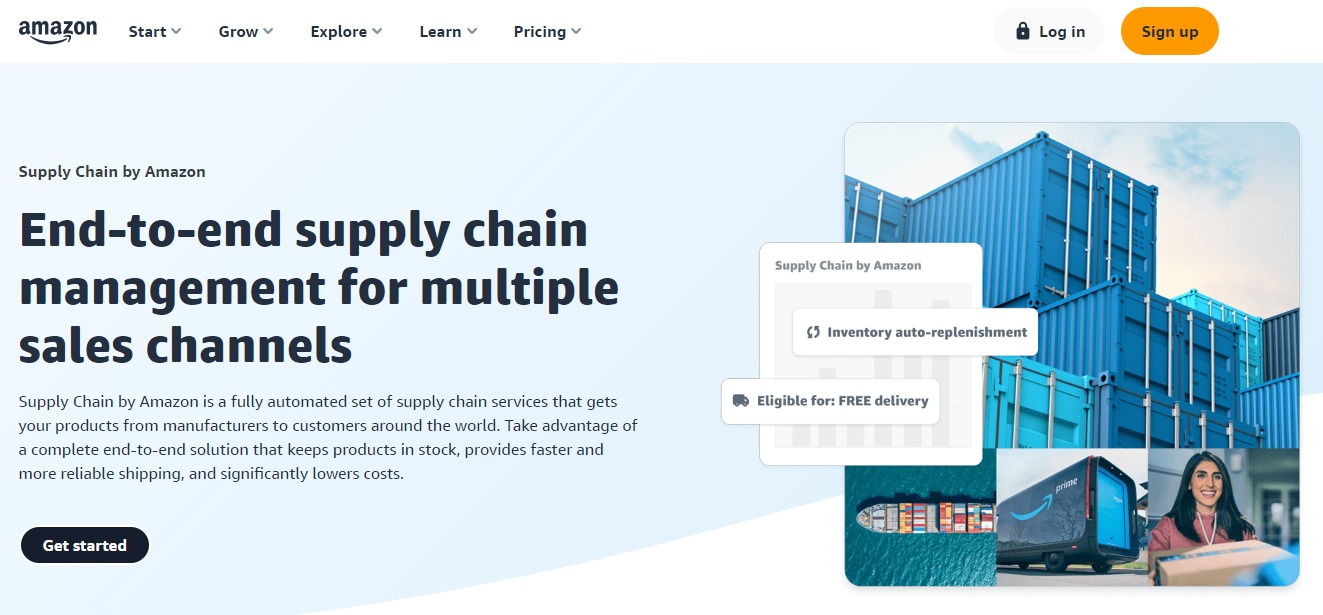
Explore alternative logistics options and improvements with Amazon to reduce handling and shipping costs, such as consolidated full truckload orders or inbound programs. These improvements can reduce variable cost structures and benefit Amazon's margins.
Create product packages
Consider grouping products that are not profitable to sell individually. This allows a higher sale price and reduces variable handling and shipping costs. In Azzgency, we love Bundles. For something it will be.
Understand the reasons for customer returns
If customer returns affect the margins of Amazon, the root cause must be identified. Make sure your packaging protects products and that information on product pages does not confuse customers.
Avoid large orders through the Born-To-Run program
While it might be tempting to place large orders through the Born-to-Run program to meet quarterly targets, this strategy can lead to excess inventory. If this happens, Amazon is likely to apply price reductions that could classify your newly launched products as CRaP (Create, Release, Play). Instead, manage your inventory carefully to avoid these situations.
Consider a hybrid sales strategy
If Amazon eliminates your listing due to a CRAP state that cannot be resolved, explore agriculture and sales alternatives. For example, open an account in Seller Central as Backup and try to sell the product at Amazon Marketplace.
Difference between Roo and CRAP
In consumer goods categories, you might hear your Amazon Vendor refer to ROO instead of CRaP. ROO stands for " Removal of Offer and applies to products in the Subscribe & Save. If a product receives an ROO designation, current subscribers will continue to receive their deliveries, but new customers will not be able to subscribe or purchase the item.
Conclusion
When your products are affected by CRAP actions, you must act quickly to minimize the impact on your sales and reviews on Amazon.
First, identify the root cause. Then, take action and optimize margins using the strategies I explained earlier. Keep in mind that increasing funding for the affected products should only be considered a temporary solution; rather, you need to work on developing a long-term solution that removes your items from the CRaP list. And if those SKUs have no future on Amazon, don't cling to them. As the Americans say, "let them go" and focus on the products that are performing well.