
Miravia Ads is the advertising platform designed to improve the visibility and sales of products on the Miravia marketplace . Similar to other sponsored ad platforms, Miravia Ads allows sellers to promote their products across various placements on the website, increasing the likelihood that potential buyers will find and purchase them.
As with platforms like Amazon Ads, there are three types of campaigns: automatic campaigns targeting keywords and products, manual campaigns targeting keywords and products, and specific campaigns on your own and competitors' product pages.
Let's take a closer look at what Miravia Advertising is all about
Index
Types of sponsored ads on Miravia Ads
As we mentioned, Miravia Ads offers three main types of sponsored ad campaigns:
Automatic Campaign
This type of campaign uses Miravia's algorithms to automatically select the most relevant products and keywords . It's ideal for beginners, as it requires minimal setup and leverages the platform's intelligence to maximize exposure.
Promote specific products
In this campaign, sellers choose specific products they want to promote . It's an excellent option for focusing advertising on items with a high profit margin or that are part of a special promotion.
Manual campaign
This type of campaign allows complete control over the keywords and products you want to promote . It's ideal for experienced marketers who have a clear strategy and want to optimize their ads to the fullest.
Differences between campaigns
- Automatic vs. Manual : The automatic campaign is based on the Miravia algorithm, while the manual campaign allows total control over keywords and products.
- Promote Specific Products : This campaign is ideal for specific promotions and high-margin products.
- Locations : Each type of campaign has different locations, adapted to different stages of the customer's buying process.
Comparison table of campaign types
| Campaign Type | Purpose | Advantages |
|---|---|---|
| Automatic | Let the system choose the best configuration for everything and keep it running optimally and customized for your store. | – Everyday use – Minimal operational effort |
| Promote Specific Products | Similar to the automatic one, but you can choose the products you want to promote. | – Boosting specific products – Best used in conjunction with the Smart Price campaign |
| Manual | You determine all the necessary details to create the campaign, and you optimize it manually after it has been launched. | – In-depth customization |
Sponsored ad locations
Ads on navigation page
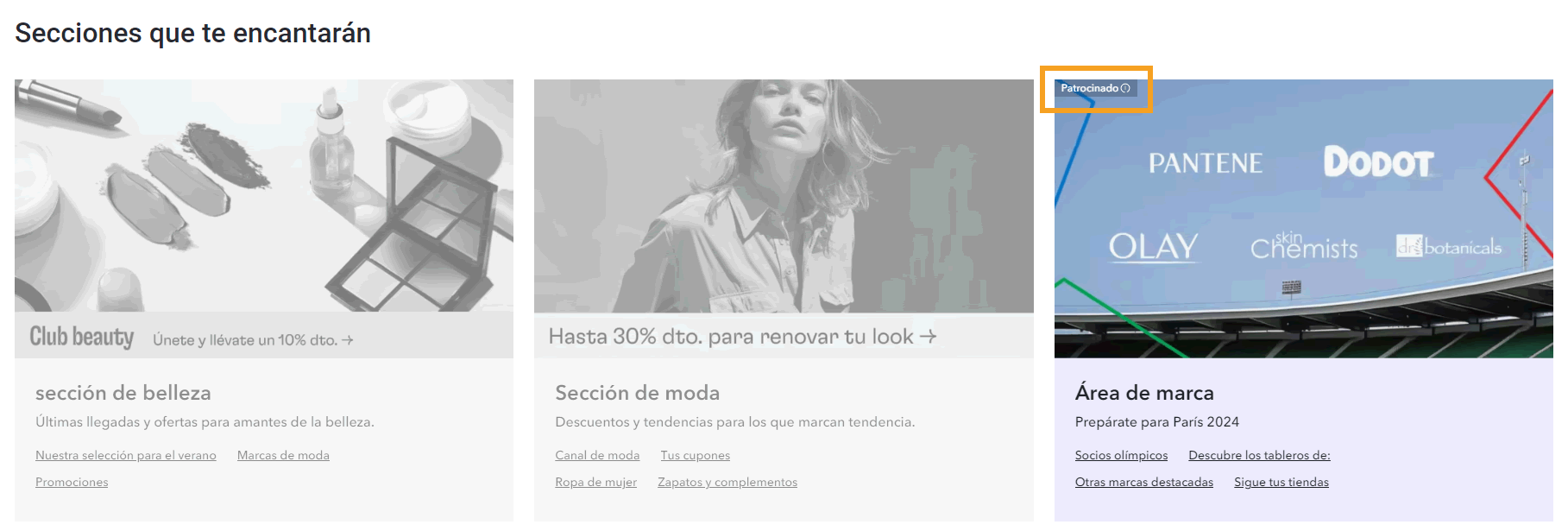
Miravia Homepage
The ads are displayed on the Miravia homepage, a prime location that ensures high visibility due to the high traffic this page receives .
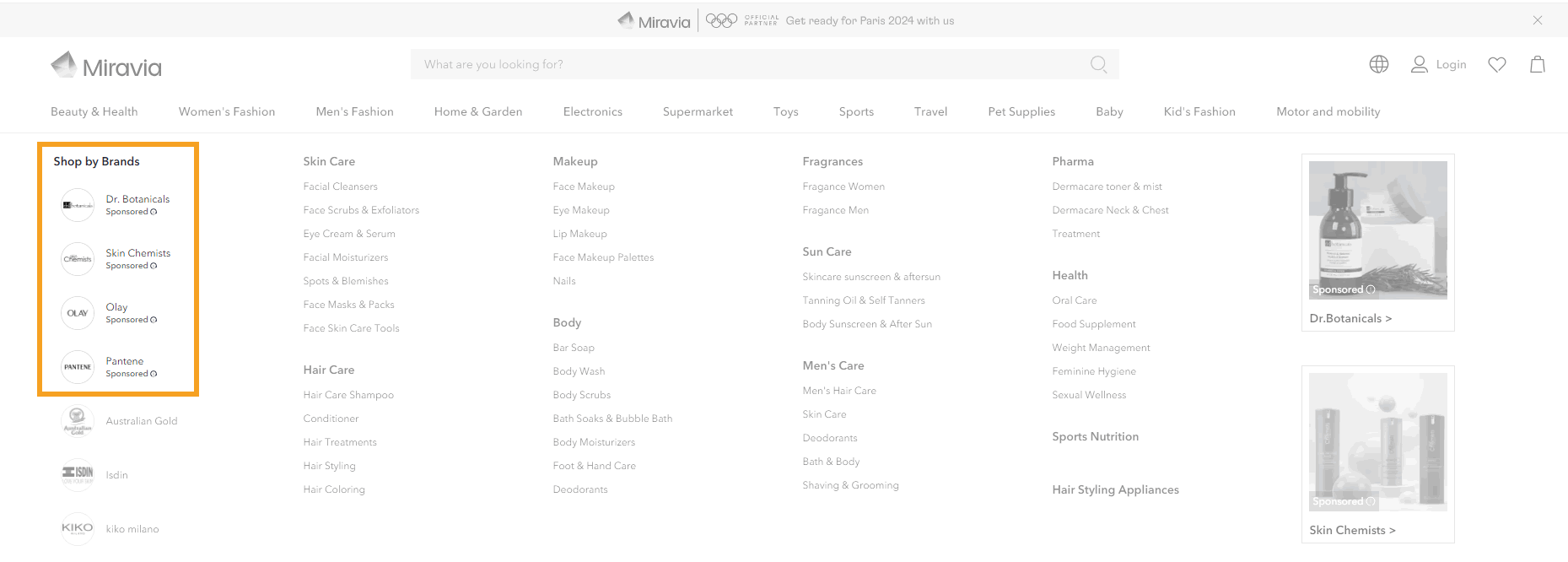
Category pages
Here, ads are displayed on specific category pages, allowing sellers to target their advertising to audiences that are already interested in similar products.
Ads in product search and comparison
Search results page
These ads appear in search results when users search for related keywords. They are ideal for reaching buyers who are already in the research and comparison phase.
Detailed product page
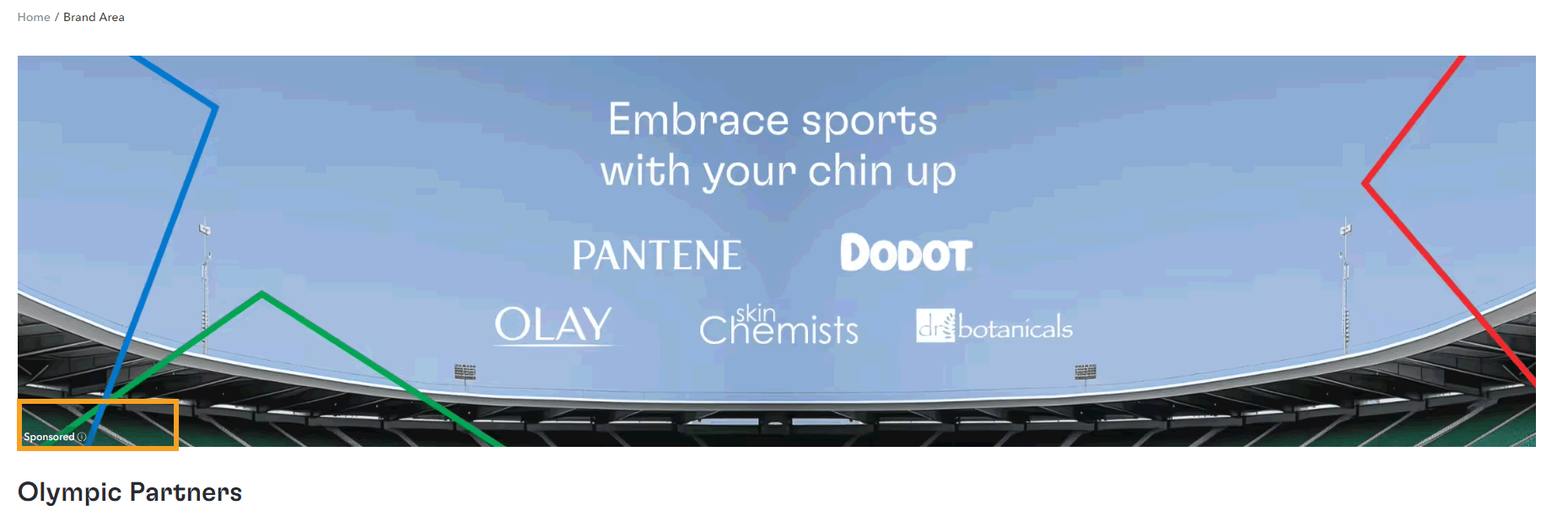
In this location, ads are displayed on the detail pages of specific products, allowing you to attract shoppers at the moment of purchase decision.
The choice of campaign type depends on several factors , including the marketing objective, budget, and the seller's experience level. For beginners, an automated campaign might be the best option. More experienced sellers can start with manual campaigns or by promoting specific products. Ultimately, it's always advisable to test all three campaign types if you lack prior experience in the niche or category.
3. Metrics that boost Miravia ads
To optimize your campaigns in Miravia Ads, it's important that you understand and monitor (through the Seller Center) the following metrics:
Traffic metrics
- CTR (Click-Through Rate) : Measures the effectiveness of ads in attracting clicks.
- Impressions : Number of times the ad is shown.
- Average Position : The average position of the ad on the page.
Conversion metrics
- CPC (Cost Per Click) : Average cost of each click on the ad.
- Conversion : Number of sales generated by the ads.
- RoAS (Return on Advertising Investment) : Measures effectiveness in terms of return on advertising investment.
Shopping basket metrics
- AOV (Average Order Value) : Average value of orders generated by ads.
- Upselling and Cross-selling : Strategies to increase order value.
Analyzing performance metrics is essential for the success of your campaigns and, of course, needs to be done daily. Use the analytics tools provided by Miravia Ads to evaluate CTR, total conversions, CVR, CPC, ROAS, and other key metrics. Adjust your strategies based on this data to maximize the performance of your ads.
How do sponsored ads work step by step?
The ad creation strategy is simple. The most important part is defining your budgets accurately, based on cost per click (taking competitors into account) versus your margins per SKU. We recommend doing this with a consultant, like those we have at Azzgency.
Step by step, this is what a campaign creation would look like:
- Select the type of campaign (automatic, manual, or promote specific products).
- Objectives : Set your marketing objectives, whether it's to increase visibility, sales, or both.
- Choose the products and keywords that are relevant to your campaign.
- Define your daily budget and maximum CPC according to your competition, the market you are targeting, and your margins per SKU.
- Monitor the performance of your ads and adjust as needed to optimize results.
How much does it cost to advertise on Miravia?
The cost of ads on Miravia Ads varies depending on the pay-per-click (CPC) model . As is always the case with this type of model, the cost per click is determined by an auction. The more sellers bidding on a keyword or product listing, the higher the seasonality or peak season at the time of the campaign, and/or the higher the product's retail price, the higher the CPC.
Sellers only pay when a user clicks on their ad. The cost per click can vary depending on the competition for the selected keywords.
