
Have you ever launched a campaign on Amazon DSP (Demand-Side Platform) and felt frustrated because the results weren't what you expected? Don't worry, it's happened to all of us.
While DSP is one of the most powerful tools Amazon offers for managing and optimizing your ads, it's not always easy to get the most out of it if you don't know how to use it correctly. With that in mind, let's talk about the main mistakes when using Amazon DSP and, most importantly, how to avoid them.
Error 1: Lack of adequate segmentation
might have an amazing product, but you're showing it to the wrong personbecause you haven't segmented your audience properly—something essential for your ads to reach those who are genuinely interested in what you offer. Without proper segmentation, you could be wasting your advertising budget.
How to solve it?
The first thing you should do is understand your target audience, that is, answer questions like: Who are your ideal customers? How old are they? What are their interests? You need to build clear profiles of your audience before creating the ads.
Amazon DSP offers a wide range of targeting options, from purchasing behavior to interests and demographics. For example, if you sell beauty products, you can target your ads to people who have shown interest in that category. It's also very useful to run A/B tests to see which type of targeting performs best.
Error 2: Ignore retargeting and abandoned carts
One of the easiest mistakes to avoid, but also one of the most common, is failing to take advantage of retargeting and abandoned shopping carts. If a customer showed interest in your product but didn't complete the purchase, don't let them slip away.
How to solve it?
Obviously, you need to implement retargeting campaigns. When someone adds something to their cart but doesn't complete the purchase, make sure they see your ad repeatedly until they decide to buy. You can show them the exact product they left behind or even offer them a discount to encourage them to finalize the purchase.
With Amazon DSP, you can reach those users not only within Amazon, but also while navigating other websites, which increases the chances of returning and ending what they started.
However, be careful not to overwhelm the user with too many ads. A well-placed ad at the right time has a much greater impact than multiple reminders. To achieve this, you need to thoroughly understand the customer journey and how long it takes your customer to make a purchase decision. If it takes two days, there's no point in retargeting them for two weeks.
🧠 Azzgency Pro Tip: Before launching a campaign on Amazon DSP, create an exclusion list of users who have already purchased your product or who are in advanced stages of the sales funnel. This prevents you from wasting budget targeting people who have already converted (or who won't convert even if you add a mariachi band to the ad). And as a bonus, you improve the efficiency of your campaigns from day one.
Error 3: Do not adjust the frequency and cadence of ads
If you've ever seen an ad so many times that you're sick of it, you know what happens when frequency isn't controlled. It's easy to make the mistake of showing the same ad too often , and in the long run, this can lead to ad fatigue and annoy your audience.
How to solve it?
You need to control the frequency of ad exposure. Amazon DSP lets you adjust how many times a user sees your ad within a given period. The most important thing is to find the perfect balance so the ad isn't annoying, but is still visible enough to remind them of what you're offering.
Additionally, adjust the frequency based on user behavior. If someone has already clicked on your ad or viewed your product, there's no need to bombard them with more ads for the same offer. Instead, you can vary the ad type or simply reduce the frequency.
Error 4: Do not use audience exclusions, generating budget wear
This is one of the easiest mistakes to make when using Amazon DSP and one of the biggest impacts on your budget. If you don't exclude people who have already bought your product or who aren't interested in what you offer, you'll be wasting your money.
How to solve it?
It's simple: create exclusion lists. If someone has already bought your product, there's no point in continuing to show them the same ad. So exclude these audiences and focus your efforts on those who haven't yet made a purchase.
It's also important to exclude audiences who have already interacted with your ads without making a purchase. Otherwise, you'll be wasting your budget on users who aren't genuinely interested.
Error 5: Do not measure success with the appropriate metrics in AMC or DSP
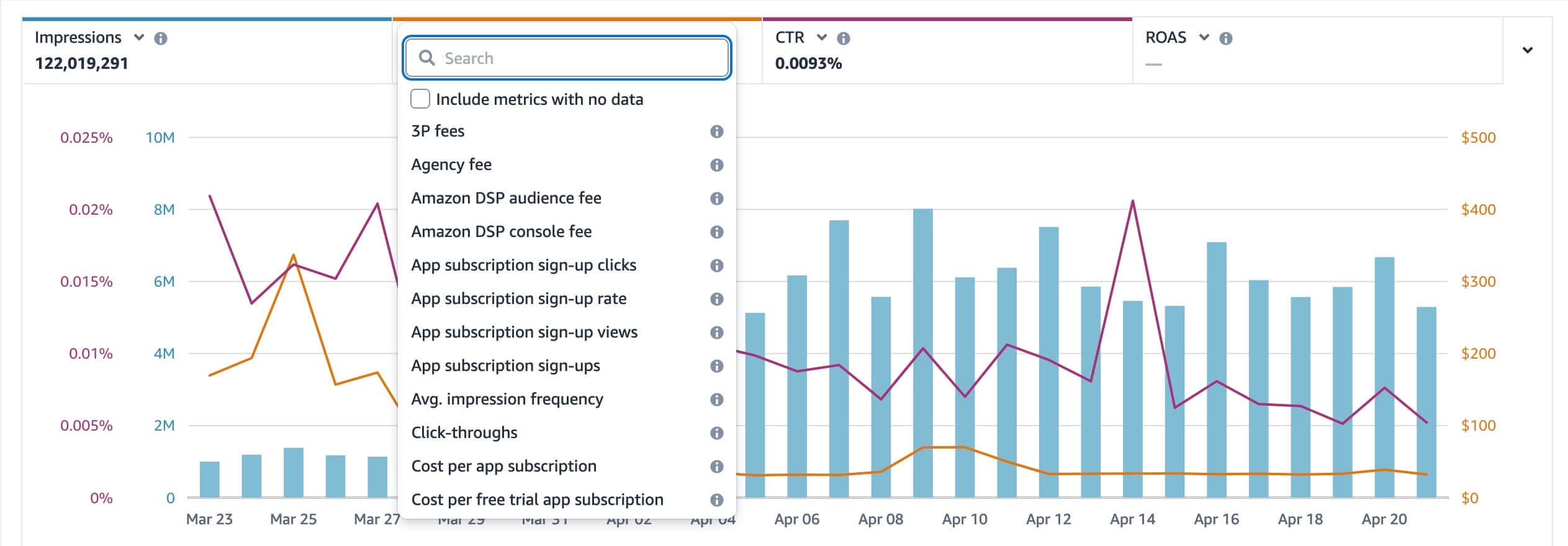
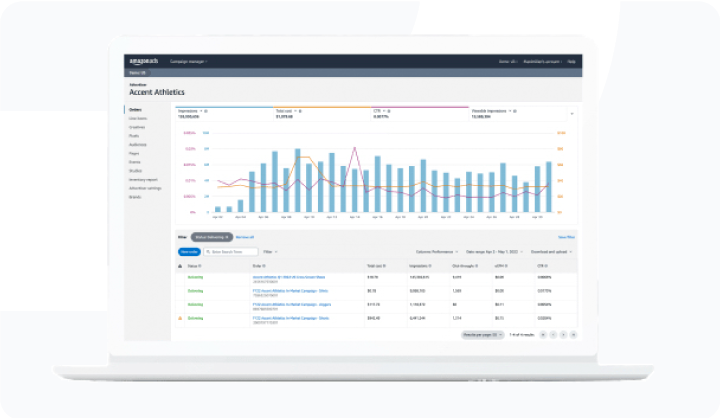
If you don't measure the performance of your campaigns, you won't know if they're truly working. Fortunately, Amazon DSP gives you access to a wealth of metrics, but if you don't use the right ones, you risk making the wrong decisions.
How to solve it?
You need to have clear KPIs and determine what you're trying to achieve. Set your goals before you start so you can measure performance effectively.
Amazon DSP also offers analytics tools to track your ad performance in real time. Use them to adjust your campaigns while they're running. And don't just look at one metric; consider several to get a complete picture of your campaign's performance.
You know what mistakes to avoid when using Amazon DSP to maximize performance. We leave you a final advice: it is important to plan your campaigns well so as not to go blind and optimize them continuously, that is, make settings on the march to obtain better results.