
If you're selling on Amazon (or thinking about doing so), you've probably come across advertising options like Amazon DSP and Amazon Sponsored Ads . And if you're like most people, you might be wondering, "Which one is best for my business?" In this article, we'll explain it simply so you can make the best decision based on your goals.
Let us tell you something: it's not always about choosing one or the other. Sometimes, combining them can be the key to resounding success.
Index
What are the differences between DSP and Sponsored Ads?
Let's start by talking about the basics: what's the difference between Amazon DSP and Amazon Sponsored Ads? Both are powerful tools, but they're designed for different times and strategies.
Let's look at their differences taking into account three aspects: location, audience, and strategy.
Where do the ads appear?
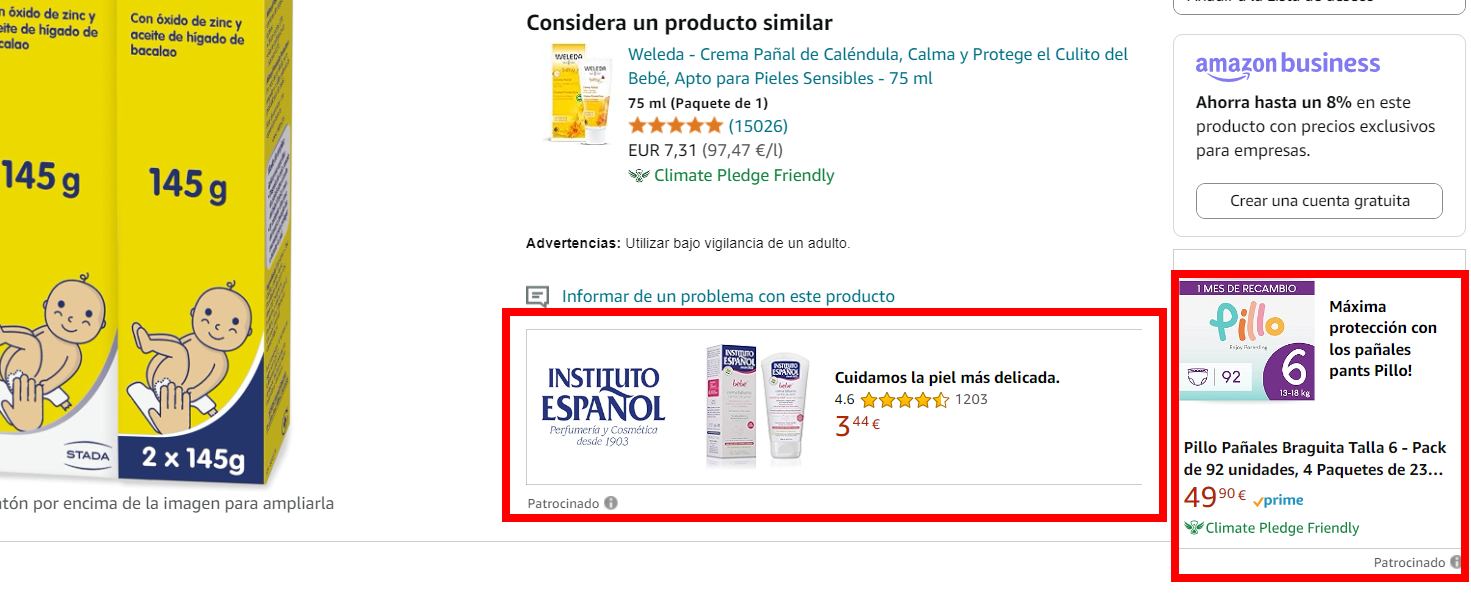
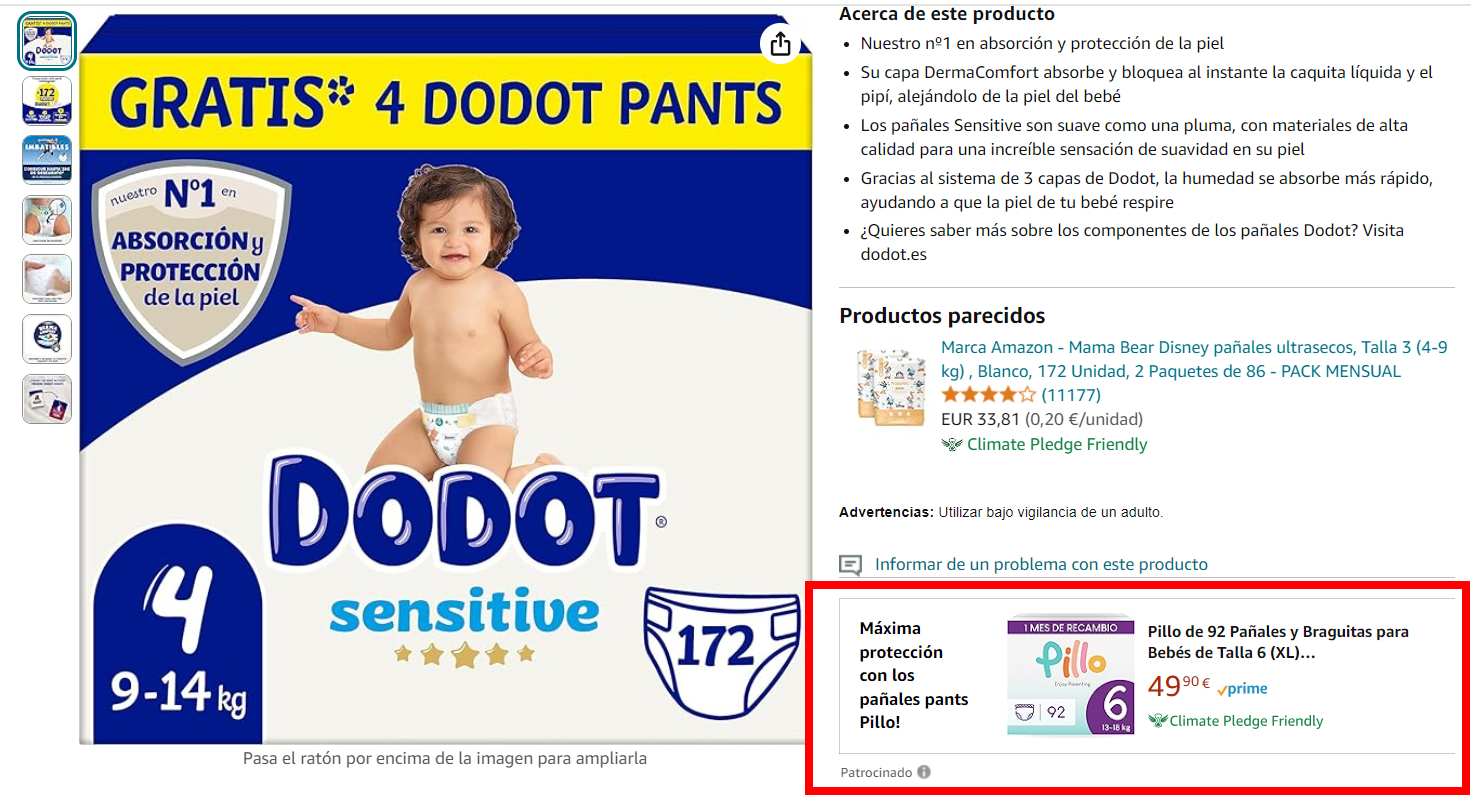
Sponsored Ads: These ads appear in Amazon search results, product detail pages, and promoted sections—places where users are already actively searching for something specific.
DSP: The reach goes far beyond that, since you can display your ads on external sites like IMDb, Twitch, Fire TV, mobile apps, and even other websites. In other words, with DSP you can appear even where your customers least expect you.
Who can you reach?
Sponsored Ads: You can reach those who are already browsing Amazon with a clear idea of what they want to buy.
DSP: It's ideal for reaching wider audiences, even those who have never heard of your brand, so it's very useful if you want to raise awareness of your products or attract new customers.
How do they work?
Sponsored Ads: Uses a pay-per-click (PPC) model, so you pay every time someone clicks on your ad.
DSP: Works on a cost-per-thousand-impressions (CPM) basis. Here you pay to show your ads multiple times, which is convenient for branding or retargeting strategies.
Simply put, Sponsored Ads is like being in the right place at the right time (when someone is already searching for something). In contrast, DSP is like going out and finding potential customers wherever they are, even outside of Amazon.
Advantages of Sponsored Ads
If you're looking for fast results, Sponsored Ads is your best ally, for the following reasons:
Connect with users who are ready to buy
Imagine you have a physical store and someone comes in asking for the product you sell. That's how direct the audience for Sponsored Ads is. People are already on Amazon looking for what they need, and with these ads, you can appear right in front of them at the perfect moment .
Fast and affordable results
You don't need a huge budget to get started with Sponsored Ads. With a modest investment, you can start generating clicks and sales from day one . This makes it a great option for small businesses or entrepreneurs just starting out.
Variety of ads
You have the option to choose between several types of ads, depending on your needs:
- Sponsored Products: Promotes specific products.
- Sponsored Brands: Highlight your brand and various products.
- Sponsored Display : Works well for retargeting, when someone saw your product but didn't buy it.
As you can see, Sponsored Ads is like the final push to convert customers who are already interested.
Benefits of DSP
Now, let's talk about Amazon DSP, which is like a Swiss Army knife of advertising. It's more complex, but also more powerful. If you want to think big and go further, this tool is for you, for these reasons:
Omnipresent reach
With DSP, you can reach your customers everywhere : Twitch, IMDb, mobile apps, or even while they're watching TV on Fire TV. It's like being everywhere, reminding customers that you exist.
Know your audience better than ever before
DSP uses Amazon data to help you segment your customers. This allows you to create targeted campaigns based on:
- Retargeting: Re-engage those who viewed your product but did not purchase it.
- Similar audiences: Find people who are similar to your current customers.
- Contextual targeting: Show your ads on pages or apps related to your product.
Create ads in engaging formats
DSP has everything: video, audio, and interactive banners . So it's a great tool for capturing customers' attention, especially if you're in the early stages where you need to build trust and brand recognition.
How to combine Amazon DSP and Sponsored Ads for a complete strategy?
The best part actually happens when you use Sponsored Ads and DSP together, as it's a way to be sure of impacting the customer from multiple angles, maximizing your results.
These two practical examples will give you ideas for combining them:
Launch of a new product
Use Sponsored Ads to appear in the most relevant searches on Amazon and generate initial sales. Complement this with a DSP by displaying ads on external sites (for example, videos on Twitch or banners on IMDb) to attract new customers.
Customer retention and loyalty
With DSP, retarget customers who visited your page but left without making a purchase. Then, reinforce the strategy with Sponsored Display , promoting exclusive discounts or complementary products.
When should you use DPS, Sponsored Ads, or both?
Use Sponsored Ads if:
- You have a limited budget.
- You want fast sales.
- Your main goal is to stand out within Amazon.
Use DSP if:
- You want to increase brand recognition.
- You have a larger budget and you think about long-term strategies.
- You're looking to reach customers outside of Amazon.
Use both if:
- You want to cover all stages of the sales funnel.
- You want to build a comprehensive branding and conversion strategy.
- You have ambitious goals and you're ready to invest.
Achieve balance
So, which is better for your business, Amazon DSP or Amazon Sponsored Ads? The answer is: it depends.
Sponsored Ads are great for converting active searches into sales, while DSPs are ideal for broader, more sophisticated strategies. But if you can combine both, you'll have the best of both worlds: fast results and a solid, long-term presence.
Actually, it doesn't matter which one you choose, the most important thing is to understand your audience and have clear objectives.
