
In the interest of transparency, Amazon has introduced traffic and conversion data to its Vendor Central , a new feature that allows brands to access key metrics that were previously confidential, giving them a clearer and deeper view of their performance on the platform.
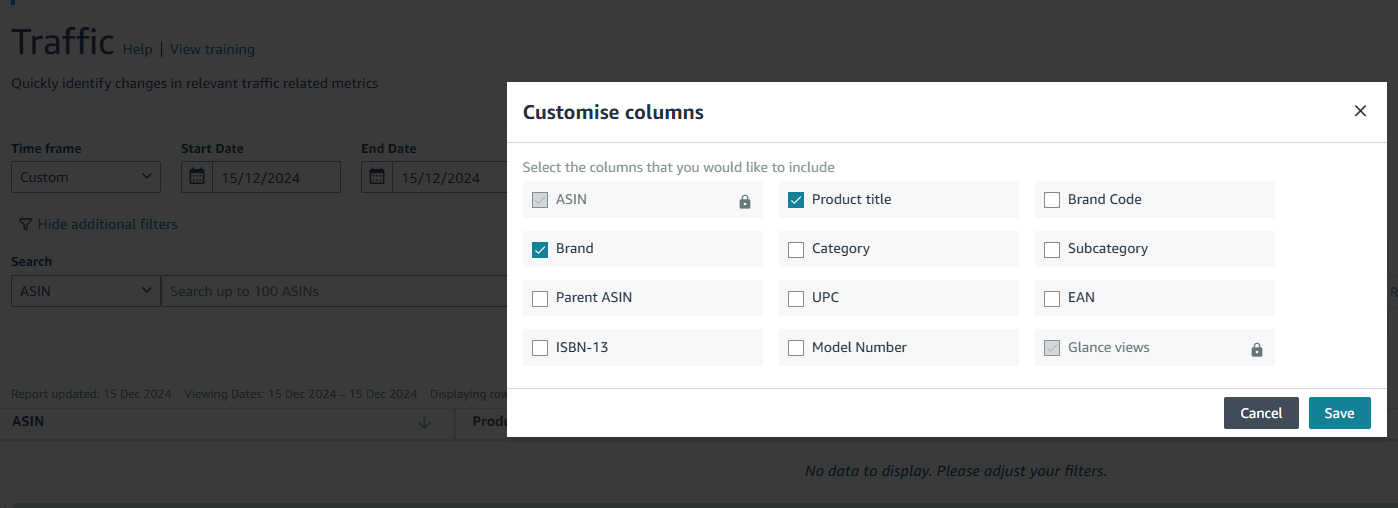
Since November 2020, brand managers have been able to access up to a year's worth of Glance Views data by ASIN , along with order and shipping information. These metrics are essential for understanding consumer interest in products and calculating the conversion rate—the percentage of visitors who make a purchase.
Index
What are quick views or glance views?
The term “glance views” refers to the number of times shoppers view a product's details page . This metric provides an initial insight into consumer interest in the products.
If you have a high number of views but few sales, it could be a sign of problems, such as high prices, unclear product descriptions, low-quality images, or negative reviews. The goal is to identify areas for improvement in your product presentation to increase sales.
For example, in the previous scenario where you have many visits but no sales, you need to review your pricing strategy or improve the quality of your images and descriptions to make your product more appealing. It can also be helpful to analyze customer reviews to understand the main barriers preventing purchases.
On the other hand, if organic traffic is generating more sales, it may be useful to invest more in SEO and content marketing strategies.
Changes to Amazon Retail Analytics
In 2022, Amazon made changes to its data analytics with the relaunch of Amazon Retail Analytics . While this led to the removal of some key metrics like "Lost Buy Box" (LBB) and "Out of Stock Restock" (Rep OOS) , sellers can still evaluate their advertising performance by comparing paid and organic traffic.
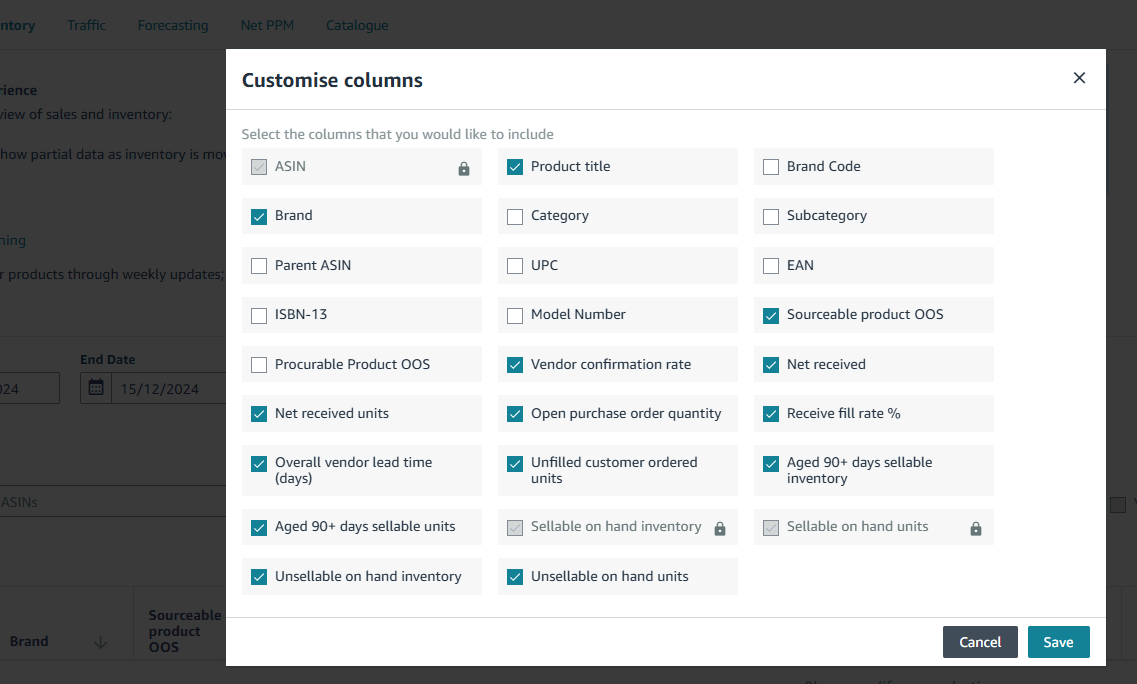
This ability to compare helps to understand how advertising campaigns affect traffic and sales, and to make strategic adjustments that maximize return on investment.
Removing certain metrics may seem like a drawback, but it's also a way to simplify the analysis approach by focusing attention on the metrics that are most directly related to product performance and sales.
As a marketer, you must adapt to these changes by making the most of the available metrics and exploring new ways to optimize your advertising campaigns.
Using data for business growth
Access to this data also allows brands to more accurately track their marketing and sales strategies . By understanding which products are generating the most interest and which are less successful, adjustments can be made to strategies accordingly.
Furthermore, since it's possible to compare paid and organic traffic, you gain a clear understanding of which marketing tactics are performing best . Additionally, traffic data can be used to identify trends and patterns in consumer behavior.
For example, if a specific product experiences a significant increase in views during a particular period, it may indicate seasonal demand or the success of a promotional campaign. This knowledge allows brands to better plan their inventory and marketing campaigns.
The introduction of traffic and conversion data in Amazon Vendor Central is a major step forward. These metrics provide valuable insights into consumer behavior and product performance, enabling brands to make informed decisions to optimize their product pages and enhance their marketing strategies.
By using this data effectively, you will improve your conversion rates and boost your business growth on Amazon.
